

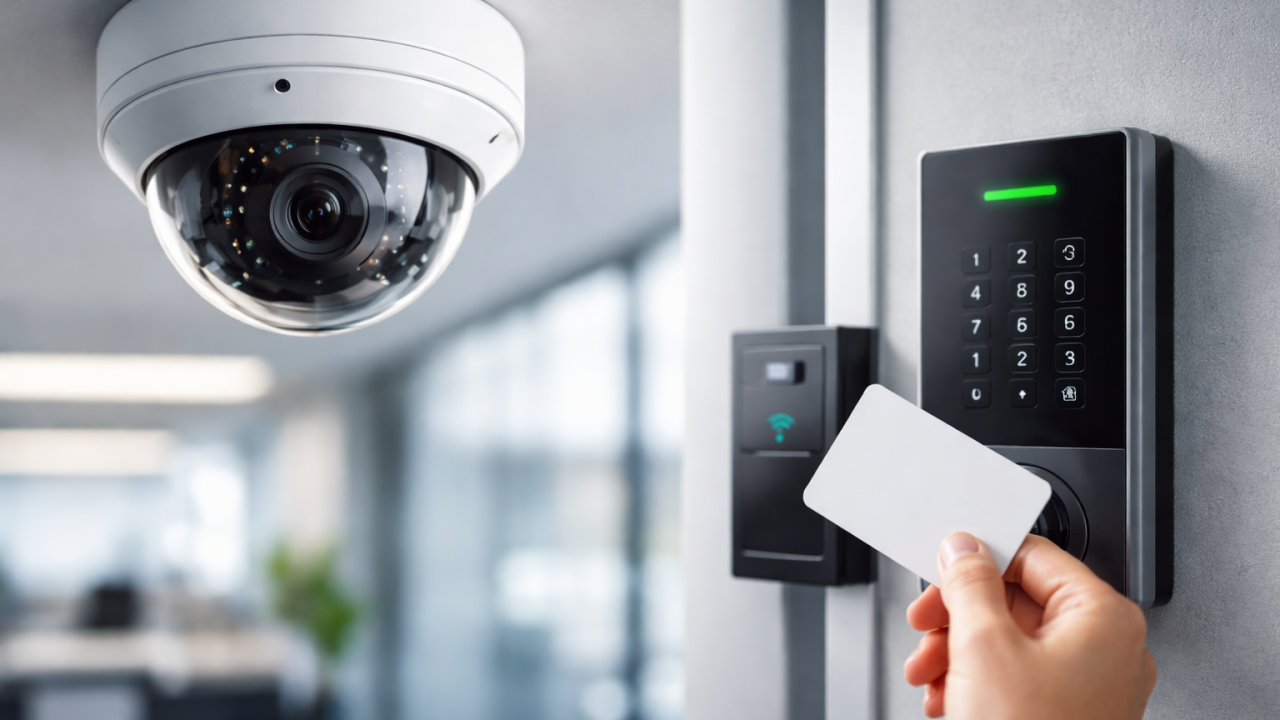
A secure facility needs more than locked doors. Modern protection connects entry credentials, camera coverage, and event records into one coordinated system. For organizations evaluating san antonio business security systems, integration creates stronger oversight across entrances, workspaces, and restricted zones. Access rules determine who enters, while cameras provide visual context. Together, these technologies help security teams verify incidents, identify unusual activity, and respond with better information.
Integrated Controls Strengthen Entry Security
Access control establishes clear boundaries around sensitive areas. Credential readers can limit entry by person, schedule, or zone. Camera feeds add visual confirmation at critical doors. This combination helps distinguish authorized movement from suspicious activity. A badge event paired with footage creates stronger evidence during investigations.
What Can Cameras Add To Access Decisions?
Video surveillance supplies context that access logs cannot provide. A credential record may show successful entry, yet footage reveals who actually crossed the threshold. For stronger coverage, a facility can connect:
- Door readers with nearby camera views.
- Entry alerts with recorded video.
- Restricted zones with monitored activity.
- Visitor records with visual verification.
- After-hours events with immediate notifications.
This approach reduces blind spots around important access points.
San Antonio Systems Can Improve Response
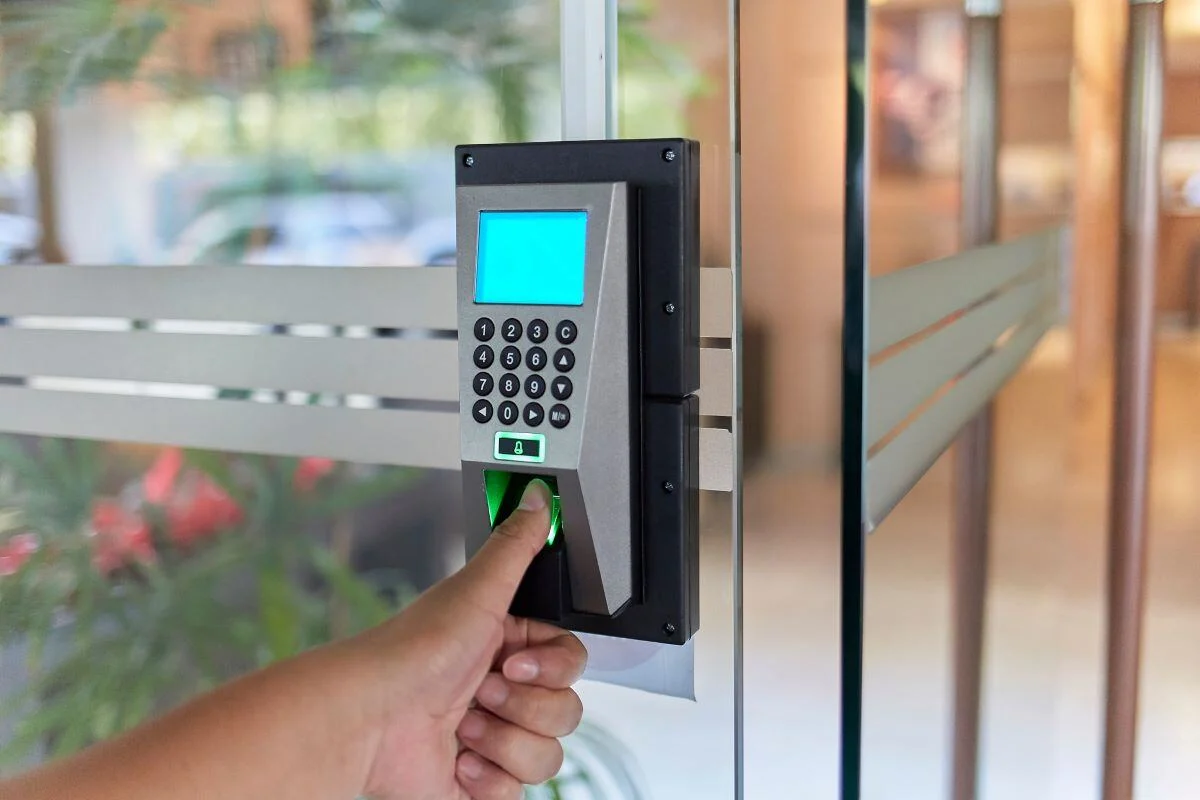
For organizations comparing san antonio business security systems, integrated technology can simplify incident handling. A triggered door alert can direct attention toward matching footage. Security personnel gain a clearer timeline without checking disconnected platforms. Faster verification matters during unauthorized entry, equipment theft, or unusual activity near restricted offices.
Which Areas Need Integrated Coverage?
Protection priorities differ across commercial facilities. Main entrances need credential verification and clear visitor visibility. Server rooms require tighter access restrictions and focused camera angles. Loading areas benefit from recorded vehicle activity and scheduled permissions. Practical deployment should also consider:
- Reception areas need strong visitor visibility.
- Storage rooms require restricted credentials.
- Parking entrances benefit from broad coverage.
- Executive spaces may need tighter permissions.
Thoughtful placement makes each device serve a defined purpose.
Unified Monitoring Creates Better Evidence
When access events and video records connect, incident reviews become more precise. Security staff can compare timestamps, credentials, and footage from one event. That connection helps establish what happened before an alert, during entry, and after movement occurred. It also supports clearer reporting when management reviews security concerns.
Connected Security Changes Facility Awareness
Integrated protection turns separate signals into useful context. A forced-door alert becomes more meaningful when paired with nearby footage. A camera event gains value when credential records identify authorized activity. That relationship changes security from isolated monitoring into informed decision-making. In practice, a single verified event can reveal weaknesses in procedures, placement, or access permissions.
Security Decisions Start With Connected Evidence
A badge record tells when access occurred; footage can show what followed. That distinction gives facility managers a stronger basis for action. When a loading-door alert aligns with recorded movement, uncertainty narrows quickly. Integrated security therefore becomes more than equipment coordination—it becomes a way to turn individual events into actionable evidence.