

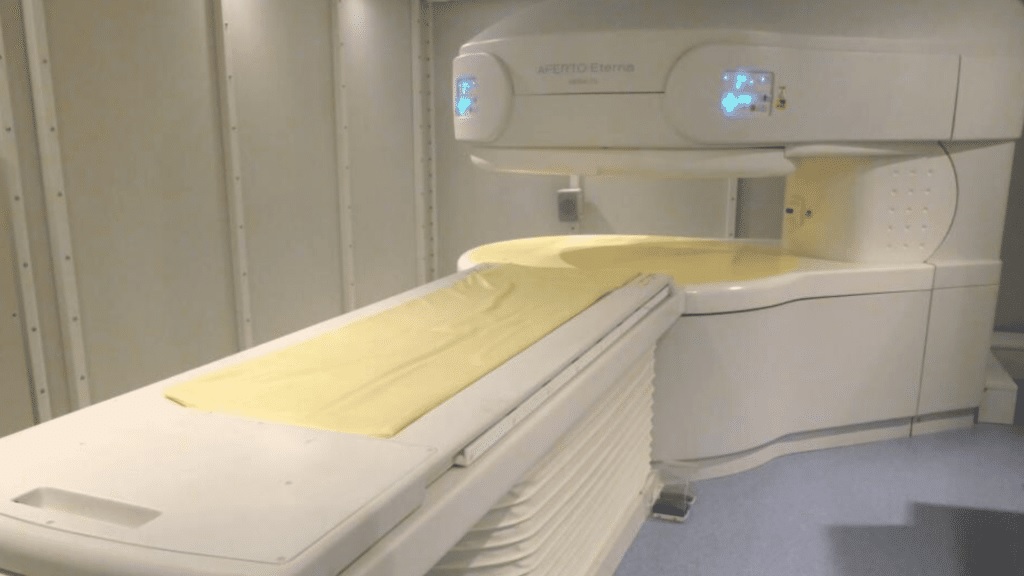
As a strategy for enhancing individual patient health outcomes per unit of expenditure, valuation healthcare has evolved in recent years. The driving force behind this is, at least in part, the inescapable global rise in health care and related costs, which are rising at a rate that is far higher than other cost-of-living inflation. By focusing on identifying methods that optimize the ratio between health gained and healthcare expense, the VBH idea seeks to continue improving individuals’ health outcomes without commensurately rising expenditures. The objective of hitachi MRI in New Jersey is to preserve or continuously improve patient outcomes while ensuring that inflation does not render the current healthcare systems unaffordable.
The funding of All the medical services is already affected by value-based payment (Flow velocities) models, which are linked but not necessarily aligned with classic cost estimating (Compania), the more contemporary idea, and both of these studies’ predecessors. In order to make workforce decisions regarding which treatments, medications, or equipment will be funded or subsidized, officials frequently employ Self – assessment, which focuses on a single indicator. Contrarily, “quality” in the context accentuates what is important to the person during a specific episode of care and in the moments following it. Due to the multitude of recommended measurements, it continues to be less well-defined.
Pharmaceutical Models Value – Added
Porter’s initial definition of a model included a hierarchy of outcome measures with three tiers each of which had a number of different elements influencing it. Lower-tier outcomes are dependent on leadership and management skills, with the top tier being deemed to be the most significant. Radiology is an essential facet of contemporary medicine, making a large positive contribution to patient diagnosis and ongoing care and thus playing a crucial role in the delivery of value.
Furthermore, the medical expertise of radiography is the ideal illustration of a resource that is accessed by all levels of healthcare delivery, all medical disciplines, and care delivery for patients of all ages. By improving differential diagnoses derived from history-taking, physical examination, and occasionally laboratory data results, diagnosing radiology adds value to clinician workup by minimizing the time it takes to start the correct medicine, thus assisting in lowering patient morbidity and mortality.